
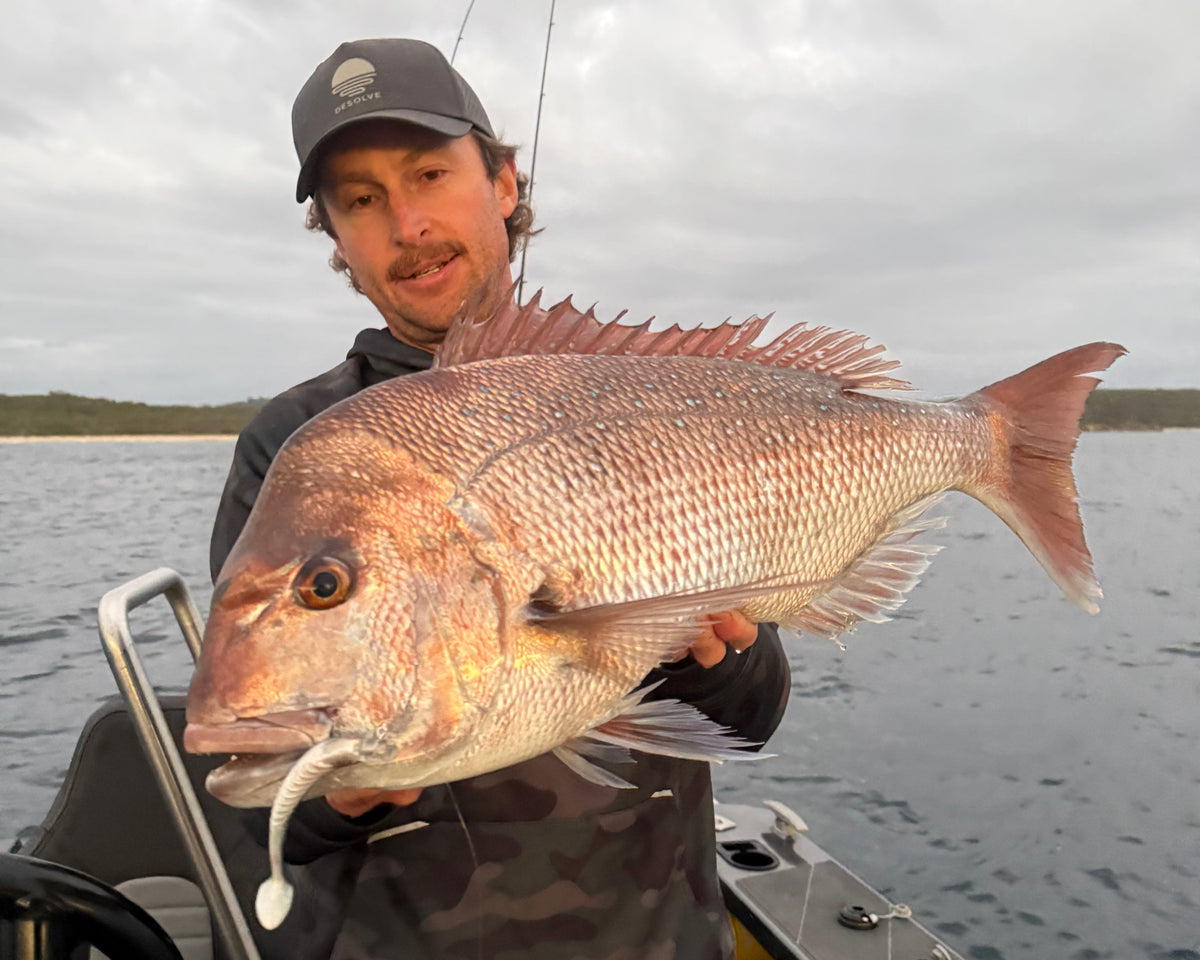
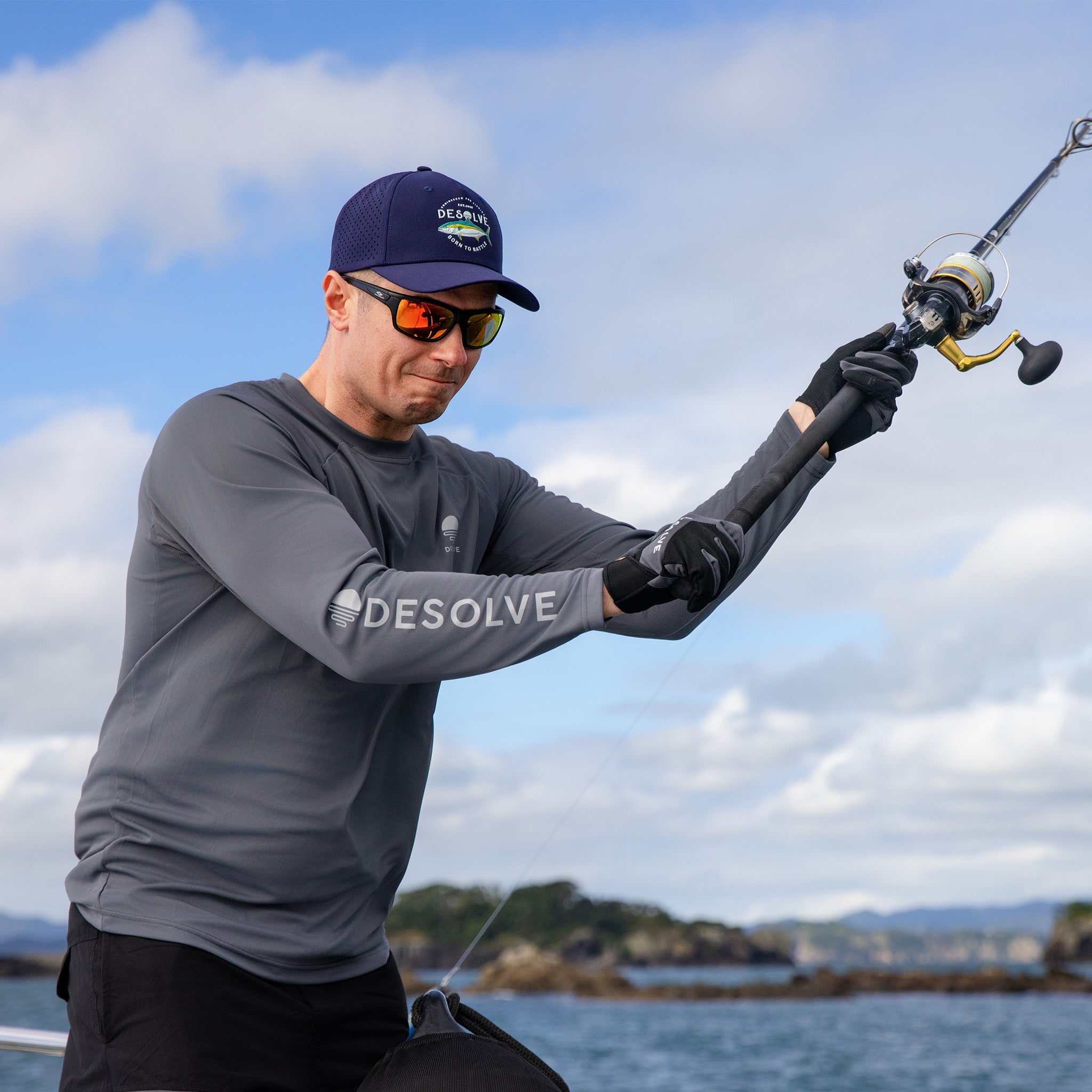
By James Hall, Desolve Ambassador
G'day, I'm James, but most people know me as Jimmy (along with a few other weird nicknames, haha). I'm based in Mollymook on the NSW South Coast, where I spend as much time as I can surfing and getting out on the boat. Shallow-water snapper is one of my favourite fisheries down here, so here are some key tips I use to chase them in 5–30m.
Approach Your Fishing Spot Quietly
Don't drive all the way to your spot, stop on top of it and start fishing. If possible, stop around 50m away, turn the engine off and drift in. Snapper, like most fish, don't like boat noise and traffic in water this shallow. If you have an electric motor, use it to nudge in closer if you need to.
Once you've finished your drift, don't drive straight back over where you've fished or where you're about to fish. Do a big, wide circle around the whole area (the wider the better) so you don't disturb it.
I also like to turn my sounder off so it's not pinging hard. I've still caught fish with it on, but when I first arrive and start shallower, I keep it off. The stealthier you can be, the better.
Where to Find Big Snapper on Shallow Reefs
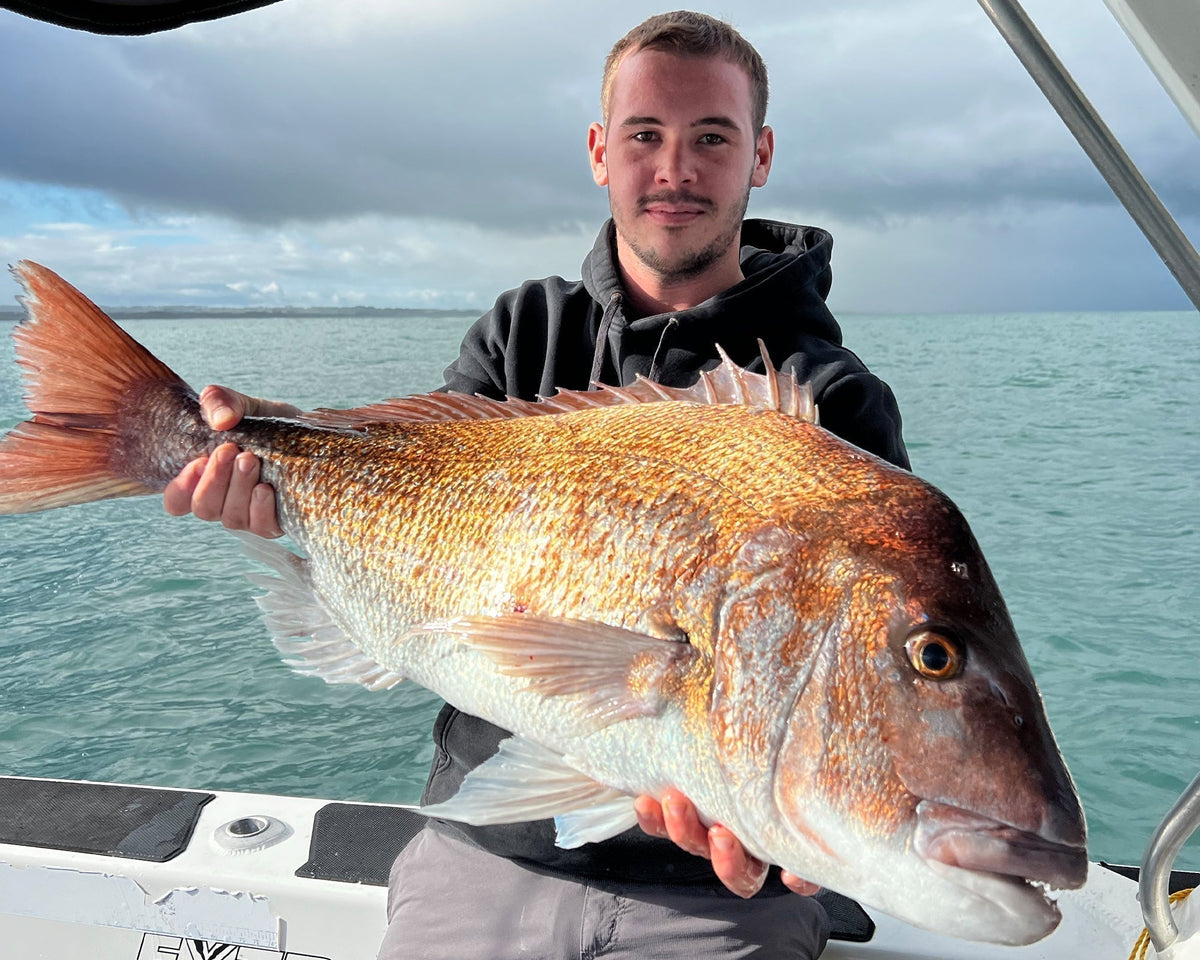
To target larger snapper, look for isolated bommies, reefs and rubble. Smaller, standalone patches are known to hold the bigger, more dominant local big dogs. They're territorial and usually stay around the same patch of reef.
For eating-size snapper, target larger, longer stretches of reef with more ground.

Release the Big Ones
If you're chasing a feed, send the 70cm-plus models back. Let them grow and keep breeding on your local reefs.
If you are keeping fish, kill them quickly. Use an IkiPik or knife directly to the brain, cut the gills to bleed them, then put them straight on ice.
Use the Lightest Jighead Possible
Fish as light a jighead or lure as you can for the depth. The longer your lure stays in the strike zone, the better, and the strike zone for snapper is not the bottom. They hang around the bottom, but most of the time they'll swim up the water column to hit your lure. In shallow water, that can be as little as 1m under the surface when they're on.
You want your soft plastic or lure sinking slowly, so it travels through the water column and ends up within a couple of metres of the bottom by the time you've drifted up to where you cast. Once you reach that point, wind in and repeat.

How to Cast and Work a Soft Plastic for Snapper
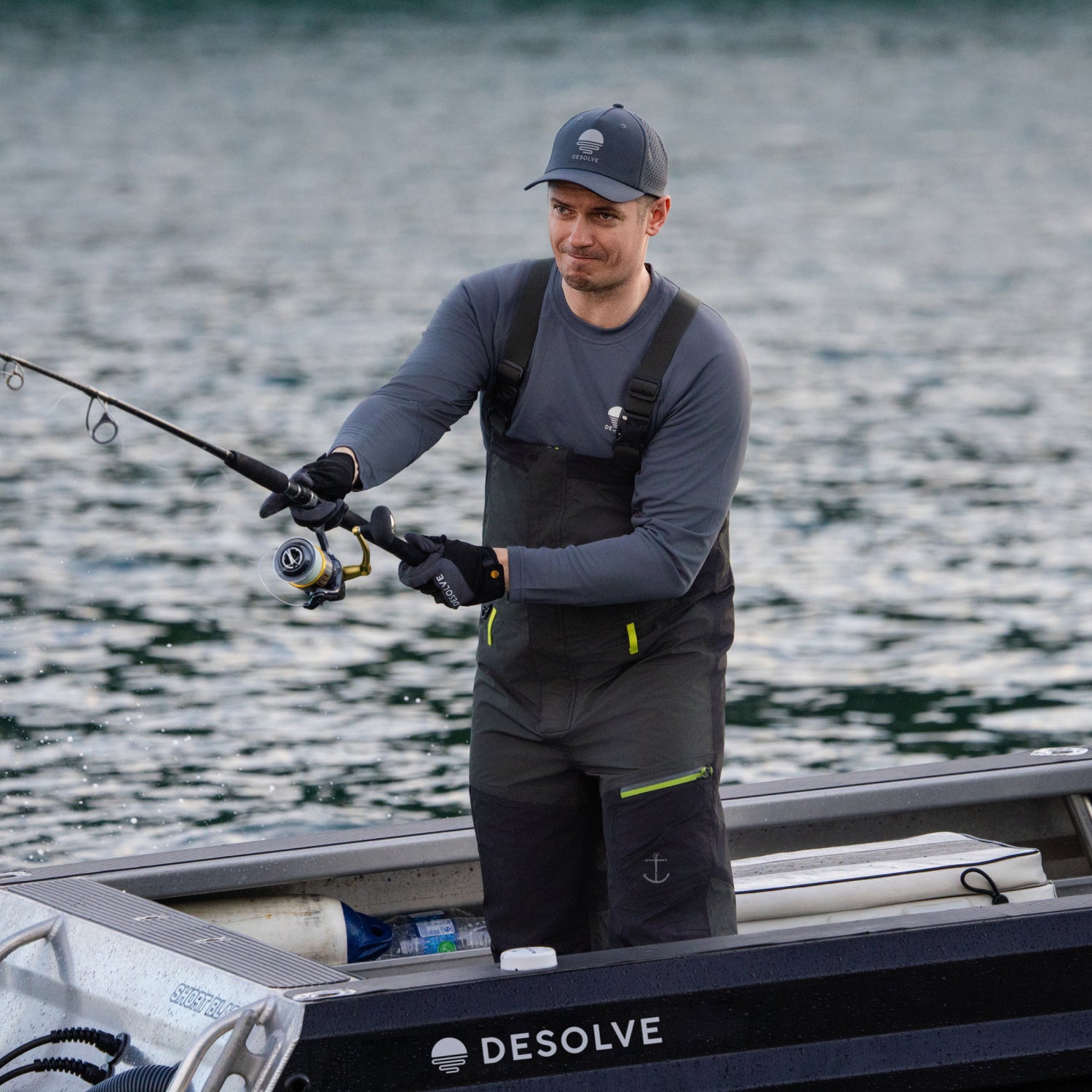
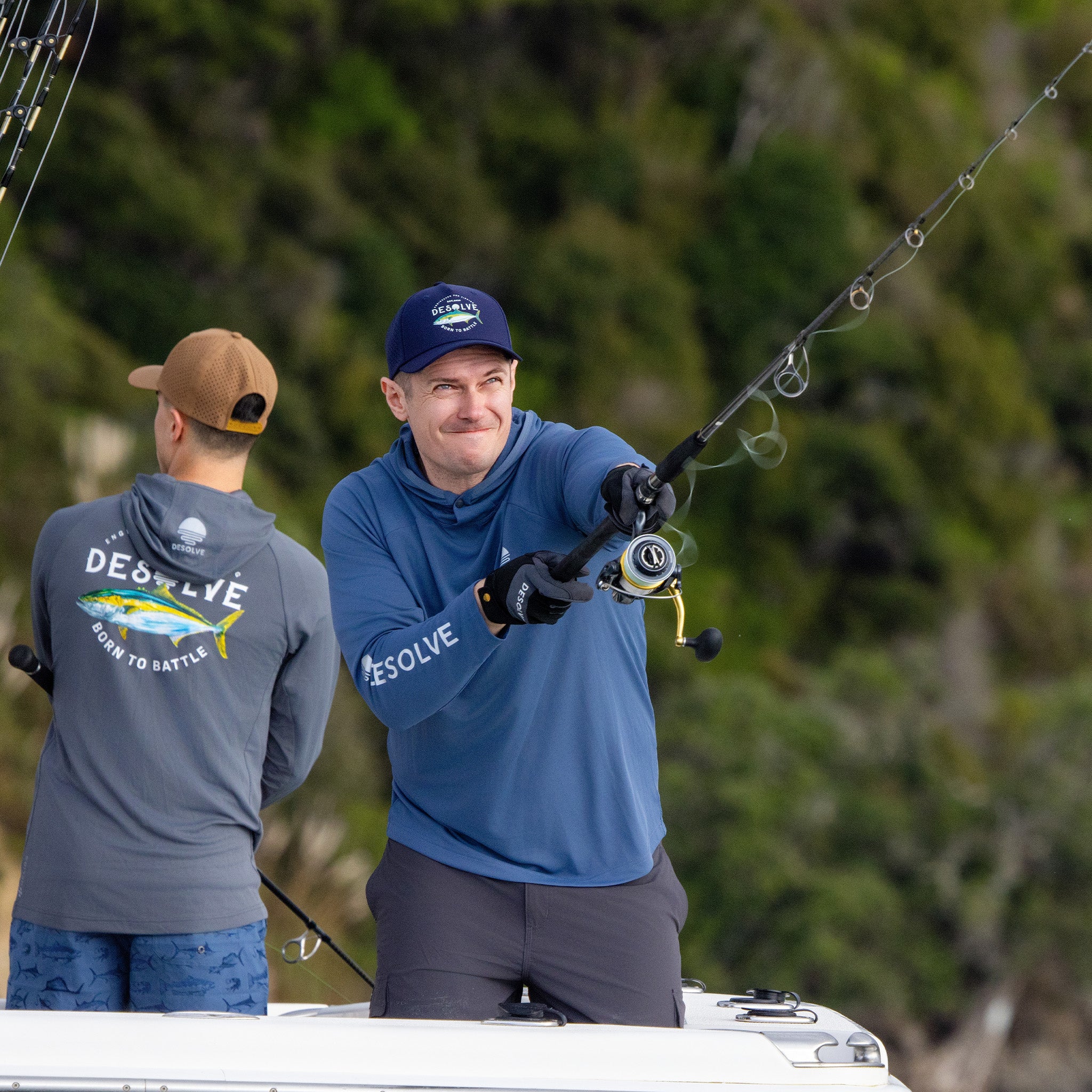
Cast with the wind directly behind you, or in the direction you're drifting. Flip the bail arm over as soon as the lure touches the water, then slowly wind in the slack without pulling the lure towards you. Keep a slight belly in the line so you know you're not moving the lure yourself, and let it sink.
Most of the time you won't need to twitch it at all. Snapper will hit it on the drop from below. Add a couple of twitches here and there if you like, but keep it sinking for as long as possible.
If you touch the bottom, burn it back in fast. You might pick up a kingfish, bonito, longtail tuna or another fast-moving fish on the way back. Touching the bottom also means your lure is out of the strike zone, so wind in, cast again and repeat.
Jighead Weights by Depth
As a general rule, I start on my shallowest reefs and use:
- 1/8 or 1/6 oz for 5–15m
- 1/4 oz for 15–25m
- 3/8 oz for 25–35m
(Personally, I rarely fish past 20m, haha.)

Best Soft Plastic Size for Snapper
A 4–5 inch (roughly 90–120mm) soft plastic covers most situations. It's an easy-to-eat size and matches a lot of common baitfish. Some areas call for something different, and you could fish 7–9 inch plastics in places, but I never need to where I live.
Fish the Pressure Edge of the Reef
If one side of the reef hasn't produced a fish yet, try a different side or edge. Snapper will often sit on the pressure edge, where the current or swell hits first and pushes the bait up.
Tight lines, boys and girls!

About Jimmy
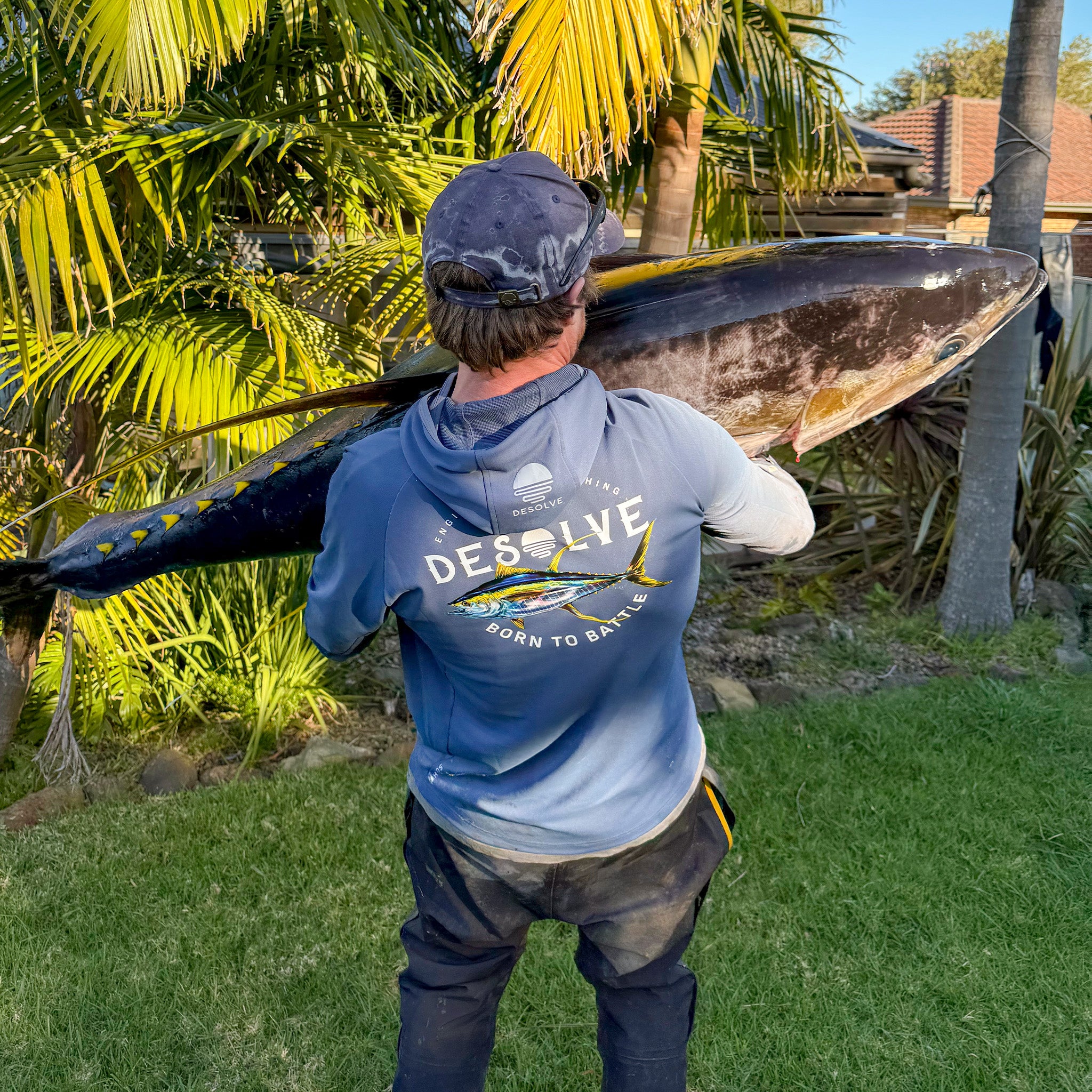
Jimmy was born in Tassie, grew up in Bondi and has been living in Mollymook on the NSW South Coast the past few years. He already knew the area well, having spent most weekends down there surfing and camping.
Back in Sydney, he spent a few years chasing kingfish inshore and offshore, making the most of everything the harbour had to offer. These days he's chasing tuna, marlin, shallow-water snapper and mulloway more often, with the kingies on the back burner for now.






Share: