
By Sam Boothroyd, Desolve Ambassador
Spring in the South Island is a season of change. Winter species are moving out, seasonal visitors are pushing in, and the weather can throw just about anything at you in a single day. Desolve Ambassador Sam Boothroyd fishes it all, from Canterbury’s shingle beaches and the Marlborough Sounds to backcountry streams and the Mackenzie canals. Here he shares what to target, where to find them and how to make the most of spring, in both saltwater and freshwater.

Spring Saltwater Fishing in the South Island
Saltwater Species to Target in Spring
For saltwater fishers, the South Island can be a tough scene in winter. Plagues of undesirables and the disappearance of many seasonal visitors make the fishing hard going, so when spring arrives, it’s a welcome reprieve. For many anglers, this is when the rods get dusted off, tackle boxes are organised and trips are planned.
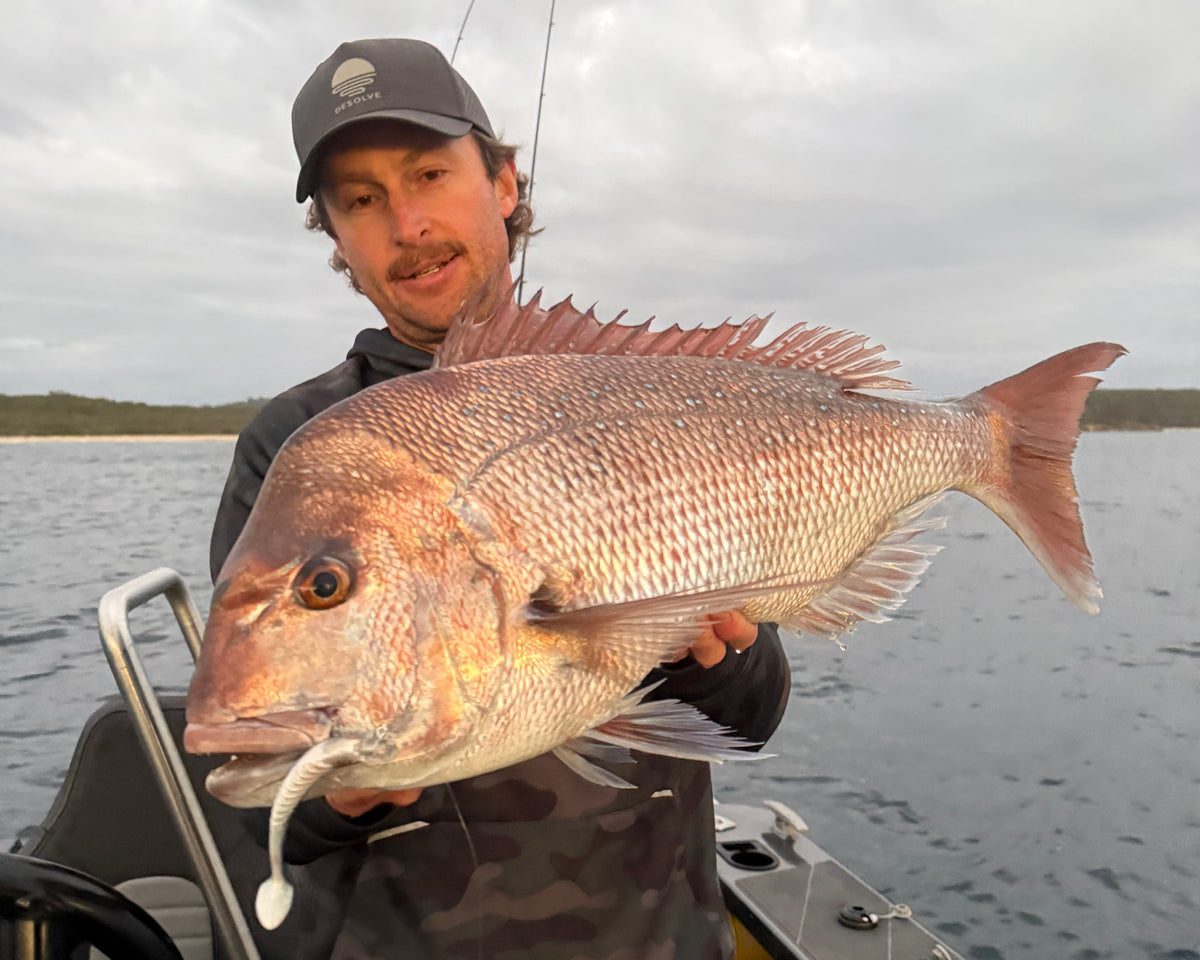
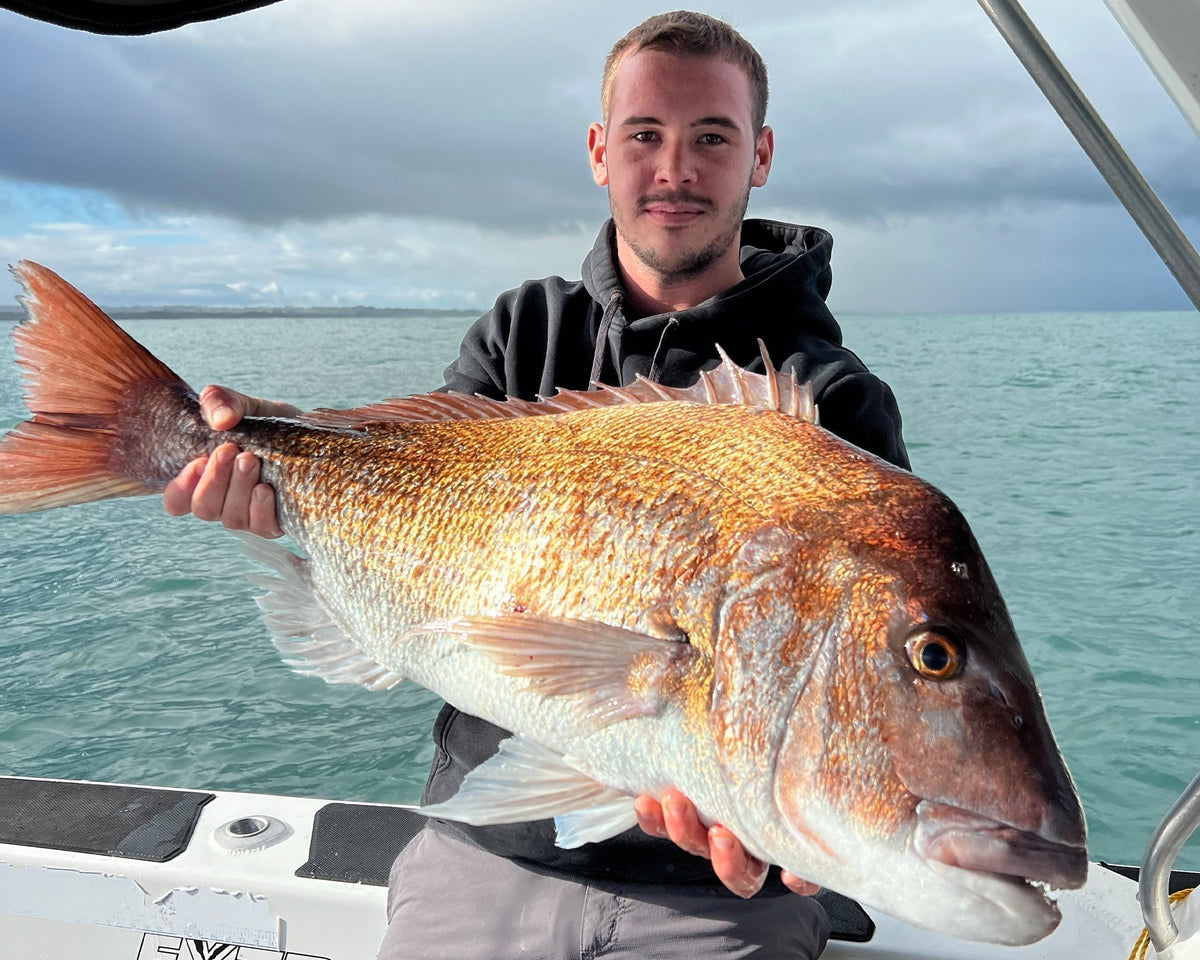
Spring looks different across the South Island in terms of species, but the main highlight is the return of snapper to Tasman Bay, the Marlborough Sounds and the West Coast. Alongside the snapper come the odd early-season kingfish, trevally and schools of kahawai. Further south, rig, elephant fish and gurnard move in much closer and become easier to target. As these fish push in, spiny dogfish, barracouta and sharks push out, bit by bit, but out all the same.
Spring is a transitional stage for a lot of the South Island’s inshore fisheries. Seasonal visitors are arriving and winter species are disappearing, so it’s the sort of time you could catch just about anything. Of course, some fisheries stay constant and reliable all through winter and into spring. Reef fishing for blue cod, tarakihi and deepwater species is good year-round, and spring is no exception.
Reading Spring Weather on the Water
Spring isn’t just a mixing pot for species, but for the weather too. You can expect just about everything, from perfect days of lake-like glass and sunshine to cold fronts, blistering winds and downpours of titanic proportions. If there’s one thing you can rely on, it’s that spring weather will be unpredictable.
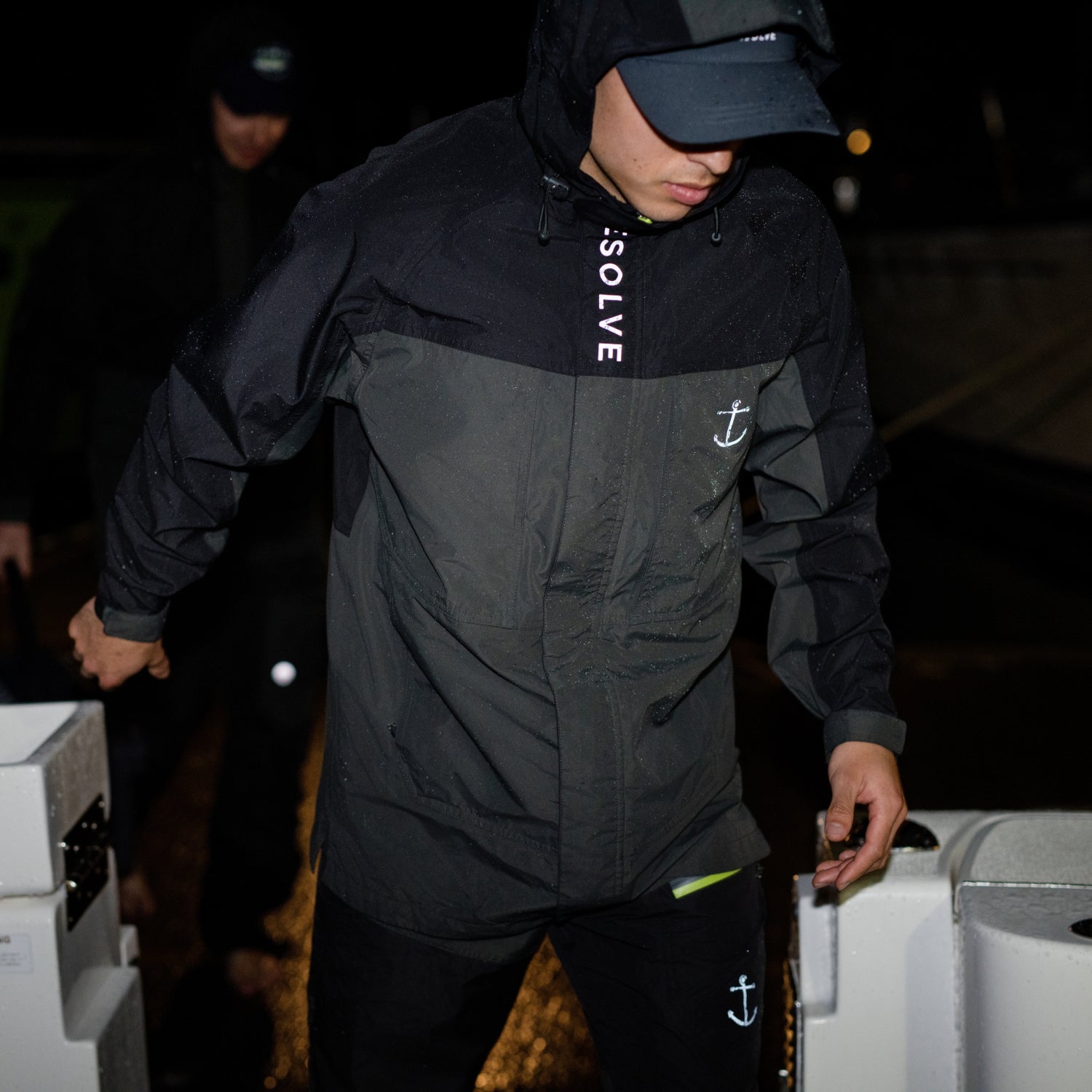
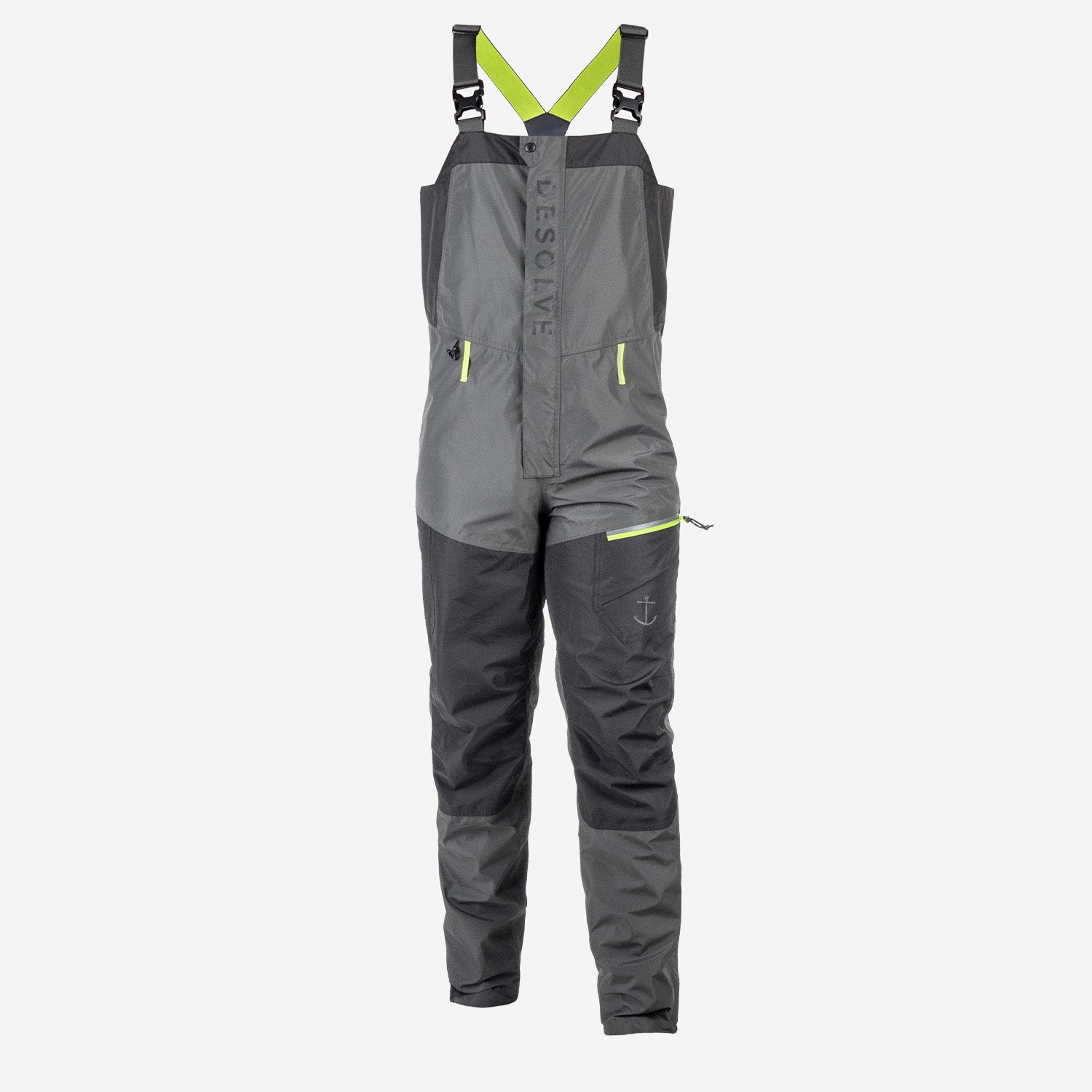
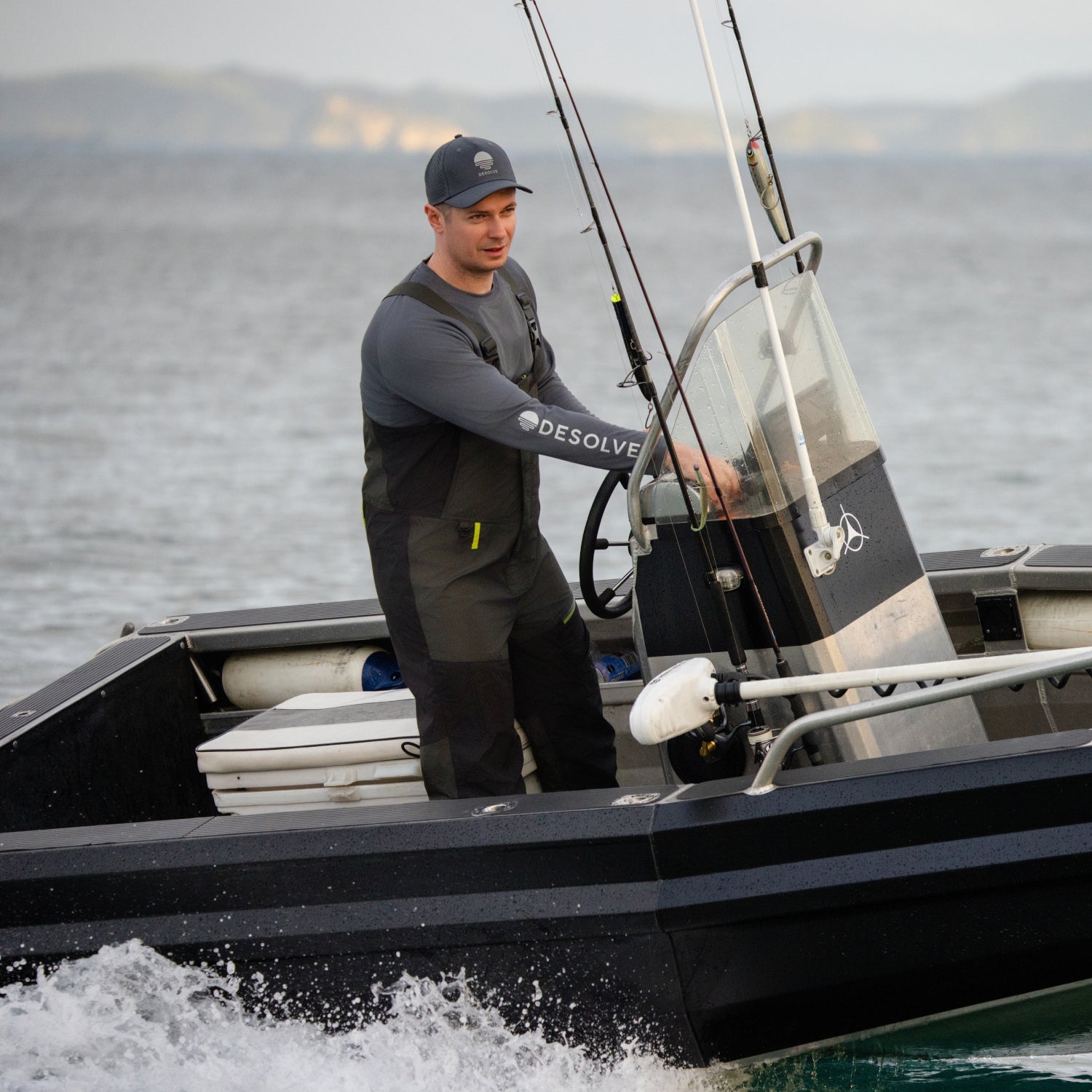
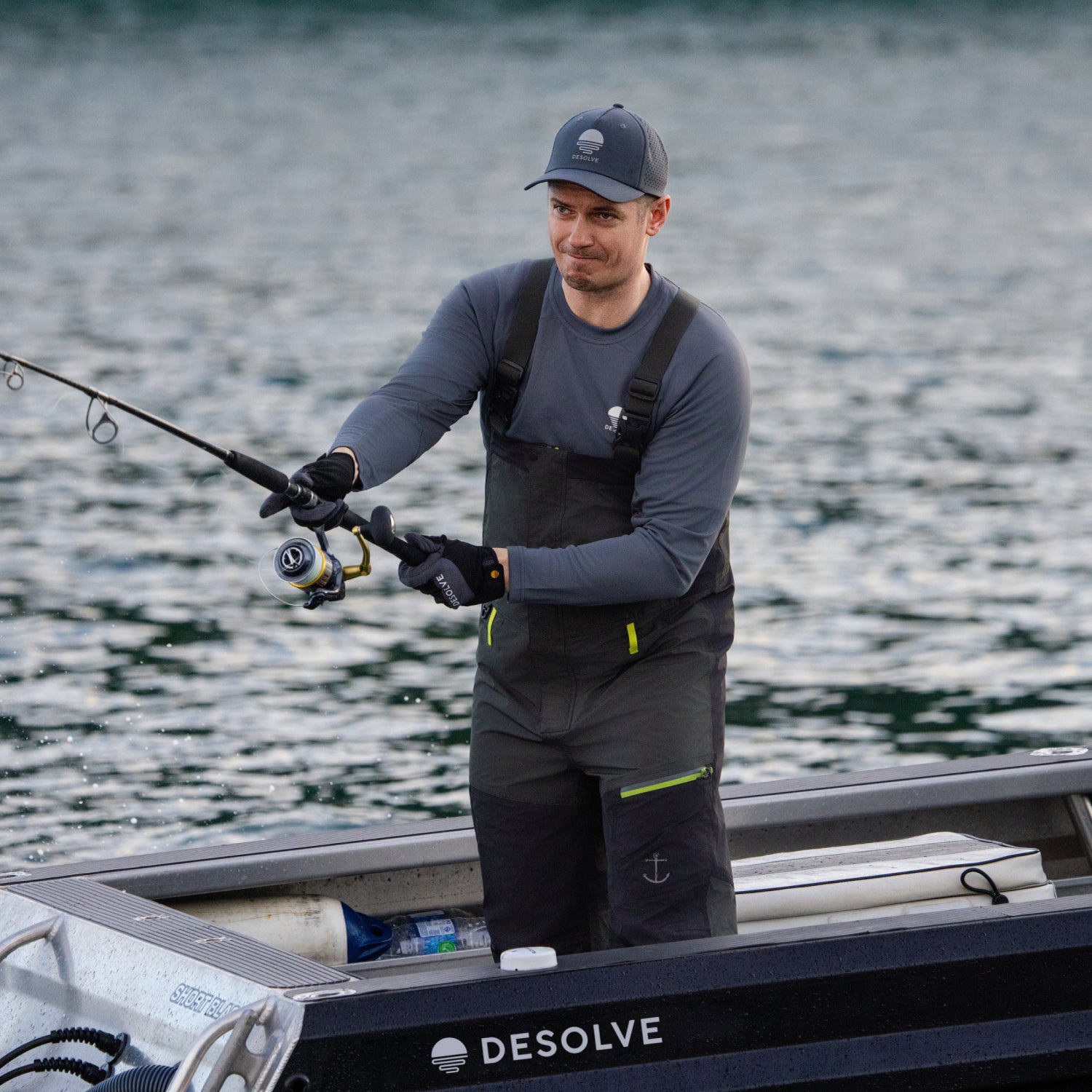
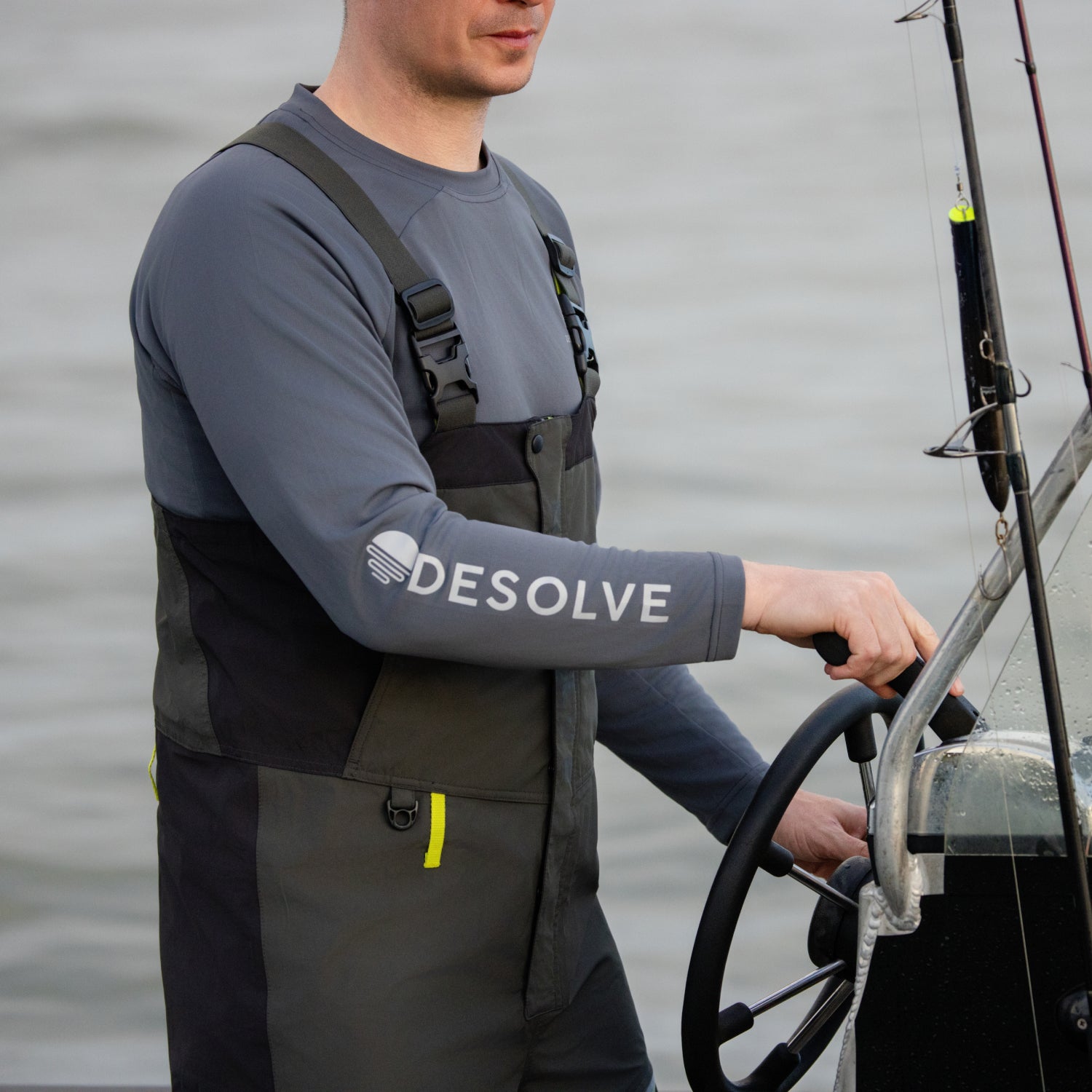
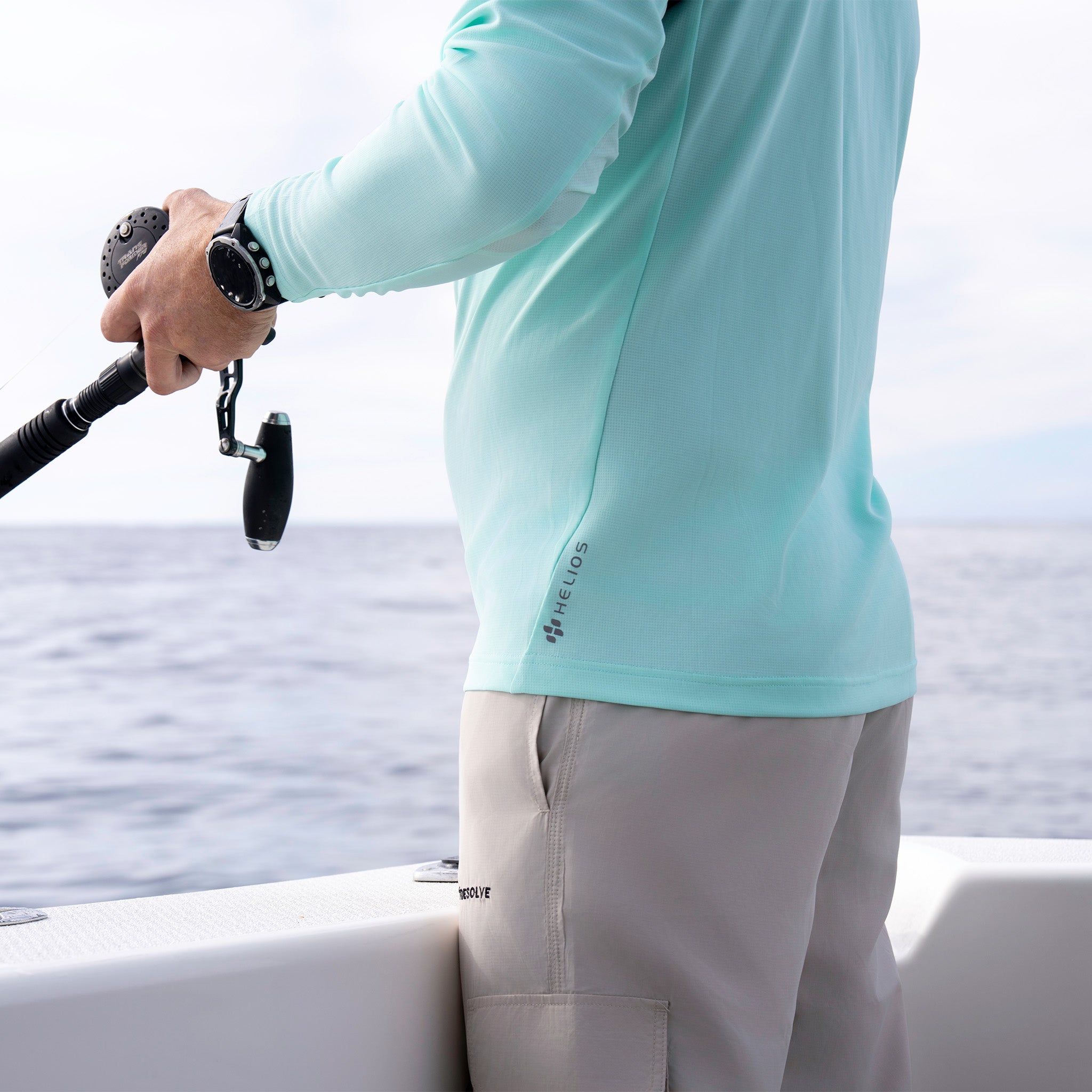
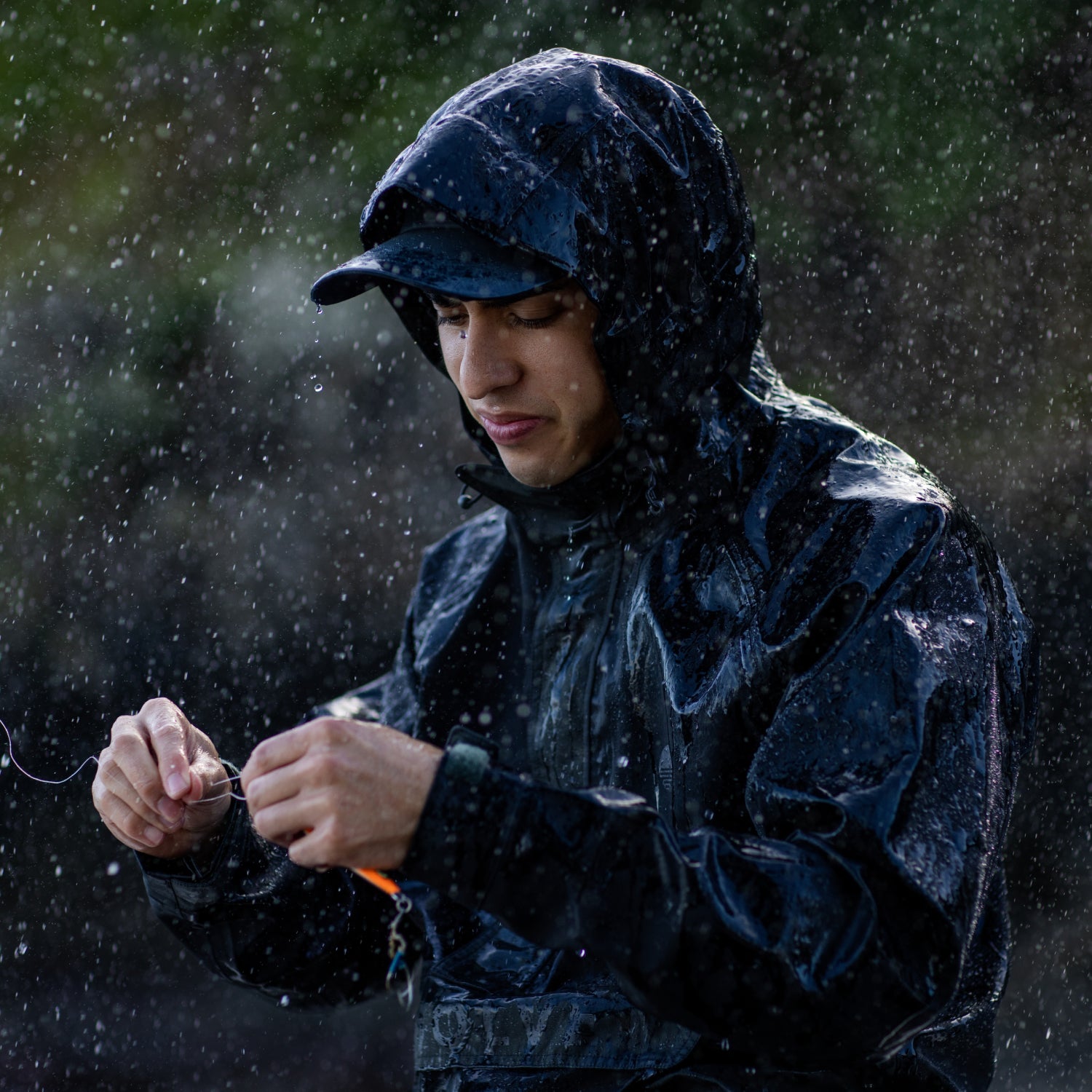
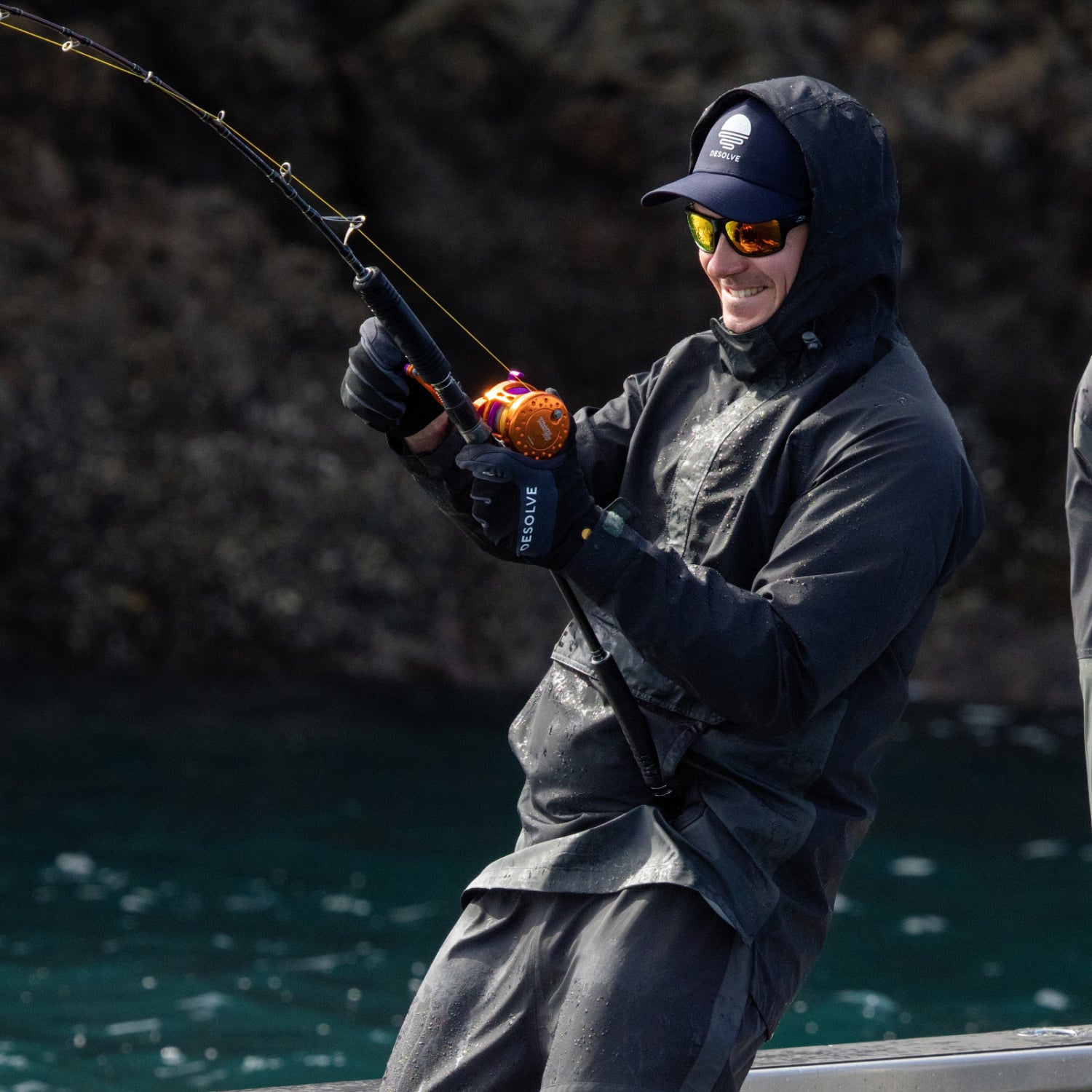
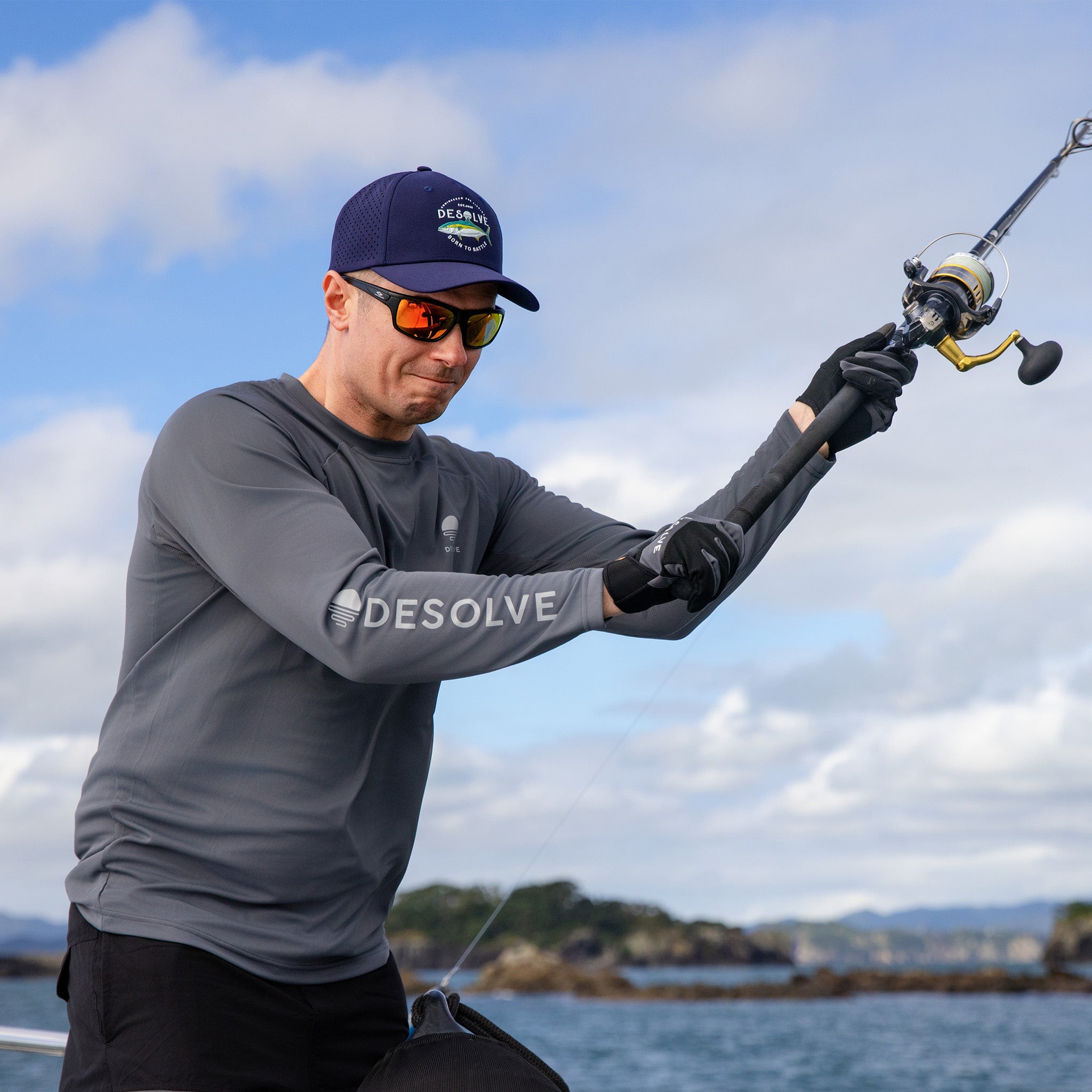
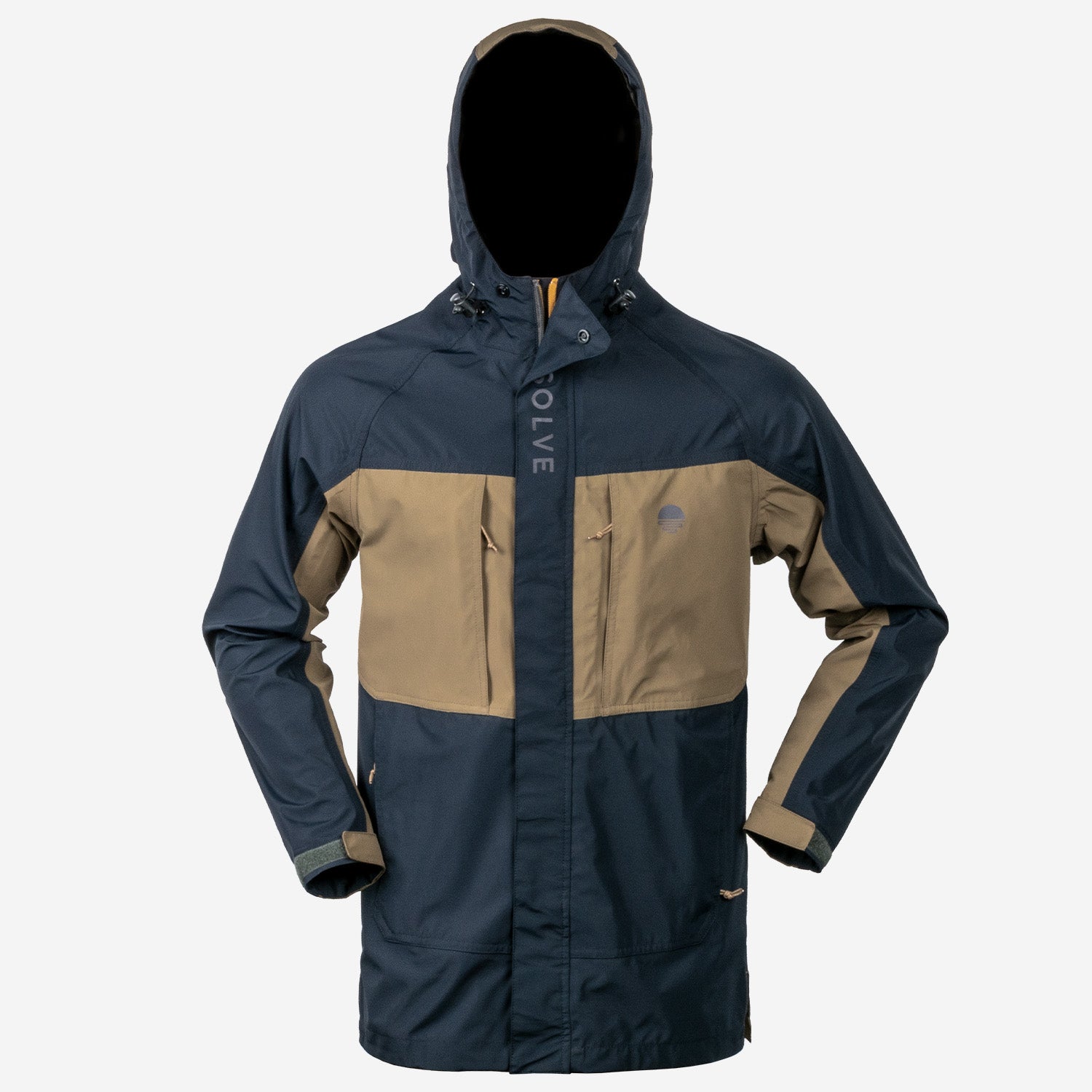
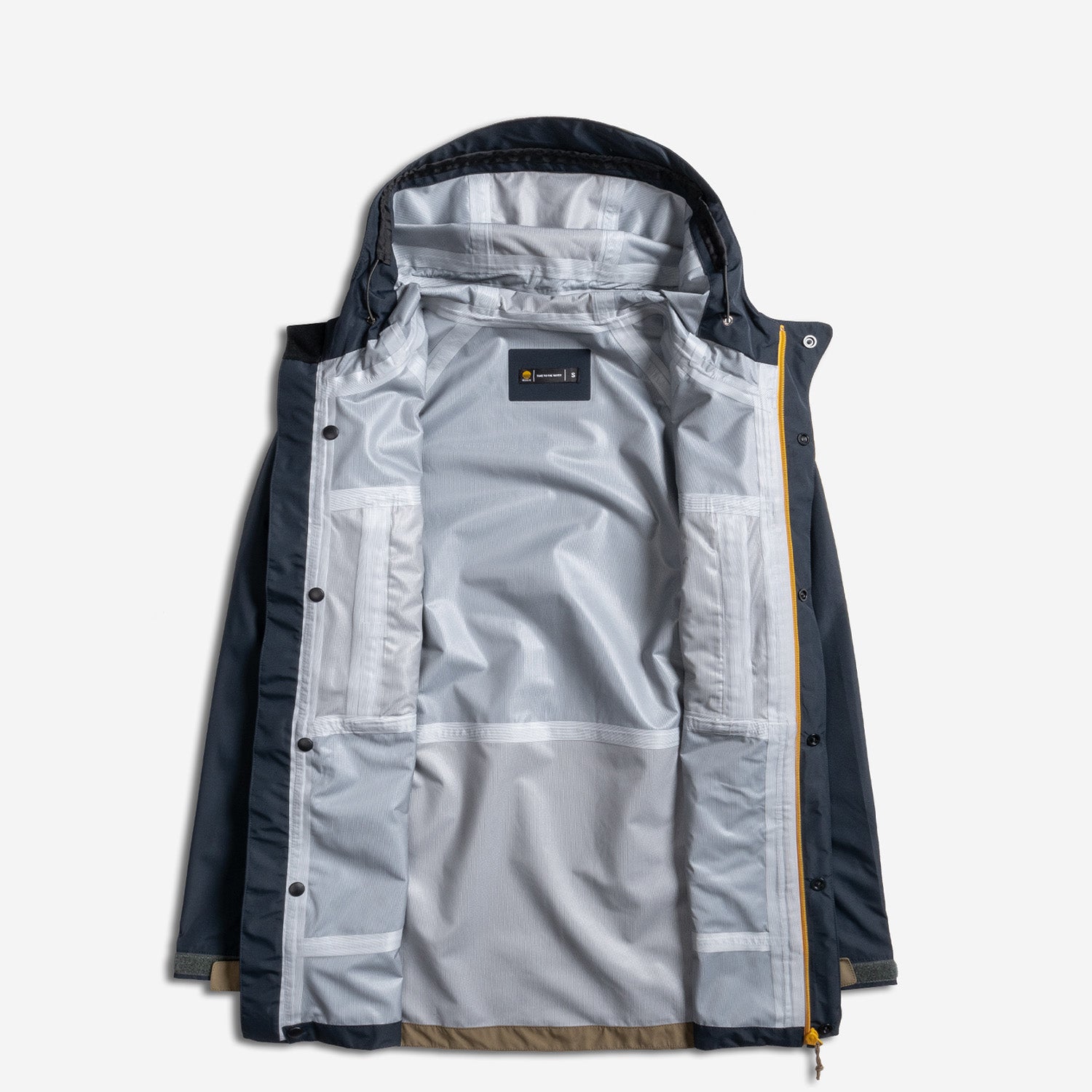
To work around this, you really need to be onto it with the forecasts. Watching a range of forecasts helps you spot trends and predict what might happen. Almost more importantly, be prepared for the worst. A good layering system and a protective outer shell are essential. Spring can often throw all four seasons at you in one day, so a clothing system you can adjust to the changing conditions makes days on the water far more enjoyable.

Where to Fish for Saltwater Species in Spring
During spring, I like to fish deep. With water temperatures fluctuating and still on the rise, going deeper increases your chances of running into target species that are yet to push properly into the shallows.
For land-based fishers, river mouths are a great option. Kahawai will be arriving at these marks in big numbers, and there are often still opportunities for other species. The classic Canterbury shingle beaches can really start producing as the water warms, with rig, elephant fish and gurnard showing up in numbers right in behind the dumping waves. In the top of the south, bait and berley sessions in 20–40m can be productive, and mussel farms in the Marlborough Sounds can get fishy quick.
Spring Saltwater Techniques: Avoiding Bycatch
Technique and bait choice can really make the difference at this time of year, with plenty of spiny dogs, sharks and barracouta still around most coastal waters. It can pay to stick to jigs to avoid bycatch, or at least move away from fishy baits and use shellfish instead. Both approaches will help you catch your target species, but some unwanted catch is inevitable. Sometimes it’s just a case of fishing through the spiny dogs until you hook the right one.

Spring Freshwater Fishing in the South Island
Freshwater Species to Target in Spring
Spring can be an interesting time for freshwater fishers. With snowmelt and high rainfall, rivers regularly flood and run high and dirty, yet there are some fantastic opportunities across the South Island.
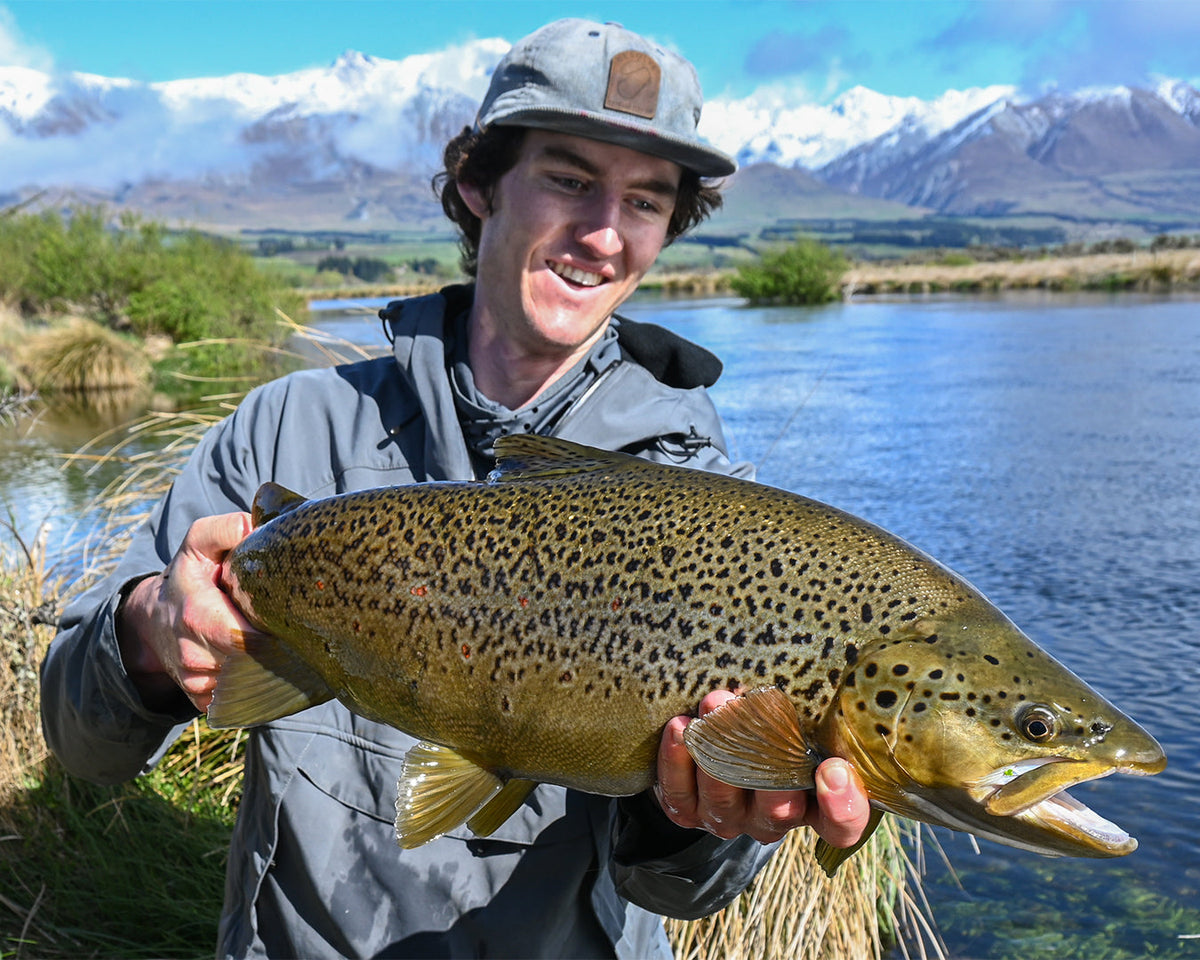
A huge attraction in spring is the annual run of whitebait, along with other migratory galaxiids and smelt, which in turn brings in the sea-run trout. These feisty brown trout have spent their time at sea fattening up on a saltwater buffet before entering the estuaries and lower rivers with one thing in mind: food.
Spring is also a fantastic time to hit the lakes. With many rivers running unfishably dirty, lakes are a great alternative, and the fishing can be excellent as warming temperatures bring the fish on the chew.
Opening day of trout season is a monumental day in most fishos’ calendars, marking the opening of many backcountry streams and rivers. It’s a great time to fish the backcountry, with plenty of fish feeding up hard post-spawn. To top it all off, the Mackenzie Country canals can really fire in spring. Residual cold snaps combined with lengthening days can produce some excellent fishing for trophy fish.

Spring Weather and River Conditions for Trout Fishing
As mentioned, snowmelt and the shift from snowstorms to rainstorms in the headwaters can leave many rivers high, brown and unfishable. There are still some cracker days to be had, though, and if you keep a constant eye on the forecast, you can always find time for a fish.
The biggest challenge on the water can be how varied and irregular the weather is over the course of a day, so being adaptable and ready for anything really pays off. Particularly in early spring, waders can be a must, as the freezing snowmelt can make wading a punishing task.
Best Spring Trout Spots: Estuaries, Headwaters and Canals
At this time of year, I tend to fish either the tops or the bottoms of catchments. Estuaries, river mouths and lagoons can be exceptionally productive with sea-run trout moving in, and they’re often cleaner thanks to the influx of seawater. At the other end of the catchment, headwater streams and newly opened backcountry waters offer clearer, more stable flows while the middle sections can be blown out. Spring-fed creeks can be absolute gold at this time of year, with consistently clear flows.
The Mackenzie canals and lakes are a reliable year-round fishery, fishable regardless of weather or snowmelt, and a great option when the rivers are running high and dirty.
Spring Trout Fishing Techniques: Matching Lures to Water Clarity
Presentation is key in freshwater fishing, and adjusting your technique to suit the conditions can be essential, especially when they’re this changeable. In discoloured water, particularly in estuaries and river mouths, bright, flashy lures that pump out a bit of vibration and noise help the fish find your hook. As you move into clearer water, it often pays to be more delicate. Flies, smaller lures or soft baits can pay dividends when the fish have sight on their side. Whatever water you fish, a willingness to change and adapt makes a big difference to catch rates and will keep you catching fish through spring.

About Sam
Originally from the UK, Sam developed his love of fishing in Nelson’s Top of the South before heading down to the mighty Canterbury. Versatility is his strength. From land-based saltwater and freshwater fishing to coastal and deepwater missions, Sam is always keen to explore new fisheries, locations and techniques. Whether he’s bait fishing, jigging, chasing squid or livebaiting, his goal is simple: bring home a good feed and enjoy the adventure along the way. Mad keen and food-focused, he chases a wide range of tasty species from across the South Island.
Sam is also finishing an honours degree in Environmental Science at the University of Canterbury, majoring in Sustainable Coastlines. With a passion for fisheries and marine ecology, his connection to the ocean goes well beyond the fishing rod.












Share: